
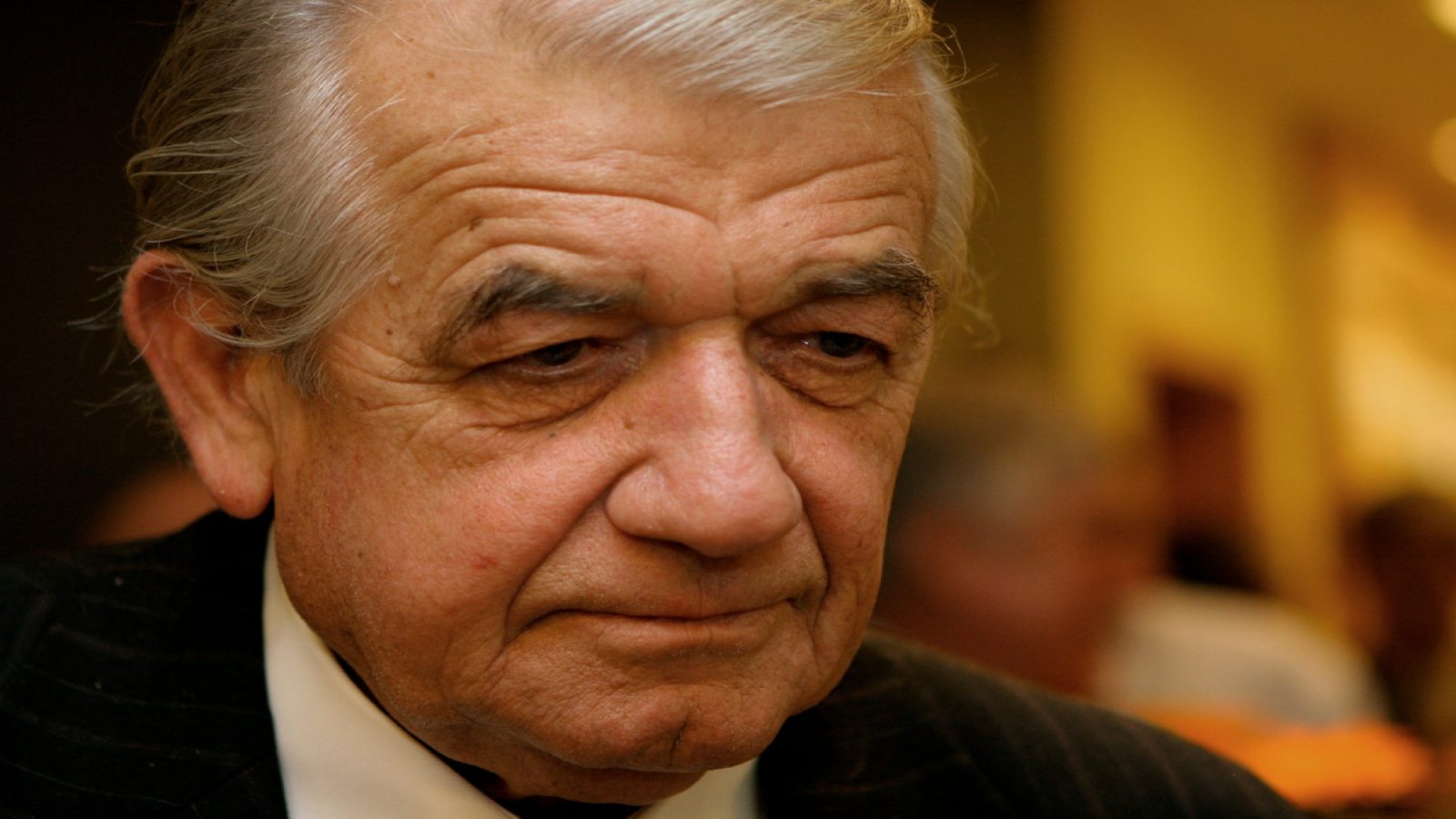

There are not many medical photographs as hauntingly vivid and emotionally charged as the one taken in 1987 of Dr. Zbigniew Religa. Taken by National Geographic photographer James Stanfield, now-iconic photo freezes a moment of naked human will—a Polish cardiothoracic surgeon, exhausted physically but awake mentally, sitting watch over his patient following a record 23-hour heart transplant operation. This photograph goes beyond mere documentation; it is a testament to the fortitude, sacrifice, and unshakeable commitment of medical profession members.
A Marathon of Medicine: The 23-Hour Surgery That Made History
The building was once a Polish hospital in Zabrze during a time when the nation was staggering from political and economic upheaval. The equipment was limited, and risky procedures such as heart transplantations were almost experimental in nature. Dr. Zbigniew Religa, the trailblazing cardiothoracic surgeon, was determined to break through the barriers. The 23-hour operation was both medical miracle and trial by time, human tenacity, and the limitations of the technology at hand.
In the picture, Dr. Religa is gazing at a screen, silently praying his patient to steady. His face shows the unmistakable look of exhaustion—hollow eyes, slumped shoulders, exhausted soul but still intent. The patient had just been given a new heart, and the success of the surgery lay in the balance. Aide in the background, behind him, an assistant is lying unconscious on the ground, depicting a tragic sight of the arduous physical toil exerted by the surgical team.
The Man Behind the Mask: Zbigniew Religa’s Legacy in Medicine
Dr. Zbigniew Religa was not just a surgeon, but a pioneer and a visionary. During a period when Poland was behind the Western world in terms of medical technology, Religa set up Poland’s first successful heart transplantation program. His determination enabled follow-up medical progress in the nation. He was not just a good doctor, but also a mentor and later a politician as the Health Minister of Poland.
His was a career of lifelong learning and improvisation, sometimes in the face of inadequate resources. Religa educated his own staff, improvised machines, and created surgical methods from first principles. His is a story of determination and creativity, and the 1987 photo came to be a symbol of this legacy—a visual image of his unwavering personality.
The Patient Who Lived On: A Life Beyond the Photograph
In a stroke of verse, the patient whose life Dr. Religa struggled so desperately to save eventually lived longer than the surgeon did himself. Dr. Religa died in 2009 after a long struggle with cancer, but the man he saved lived decades past that terrible night. That makes the emotional power of the photo all the more compelling. It’s not just about heroism in medicine in the abstract; it’s about a life saved, a future regained.
That truth lends the image so compelling a narrative to it—sacrifice and survival. It is a reminder that behind every medical labor act exists the ultimate human reward: hope, longevity, and tomorrow potential. The photo still inspires not just medical workers but everyone with seemingly impossible opportunities.
Why This Photo Endures: A Symbol of Unshakeable Human Spirit
TIME magazine included the photograph in its list of the “100 Most Influential Photos of All Time,” a rightful tribute to its timeless message. It lasts because it describes a full story of weariness and hope in one photograph. Vigilance is responded to with tiredness. Hope is responded to by desperation. It is highly personal yet very universal.
The photograph has served as a touchstone to the discussions of medical ethics, commitment, and the very essence of human compassion. It is a snapshot of what results when science, ability, and raw determination come together for the purpose of maintaining life. In a society that is too frequently amazed by rapid solutions and immediate pleasures, the image of Dr. Religa relates the tale of the long difficult journey true success sometimes necessitates.