
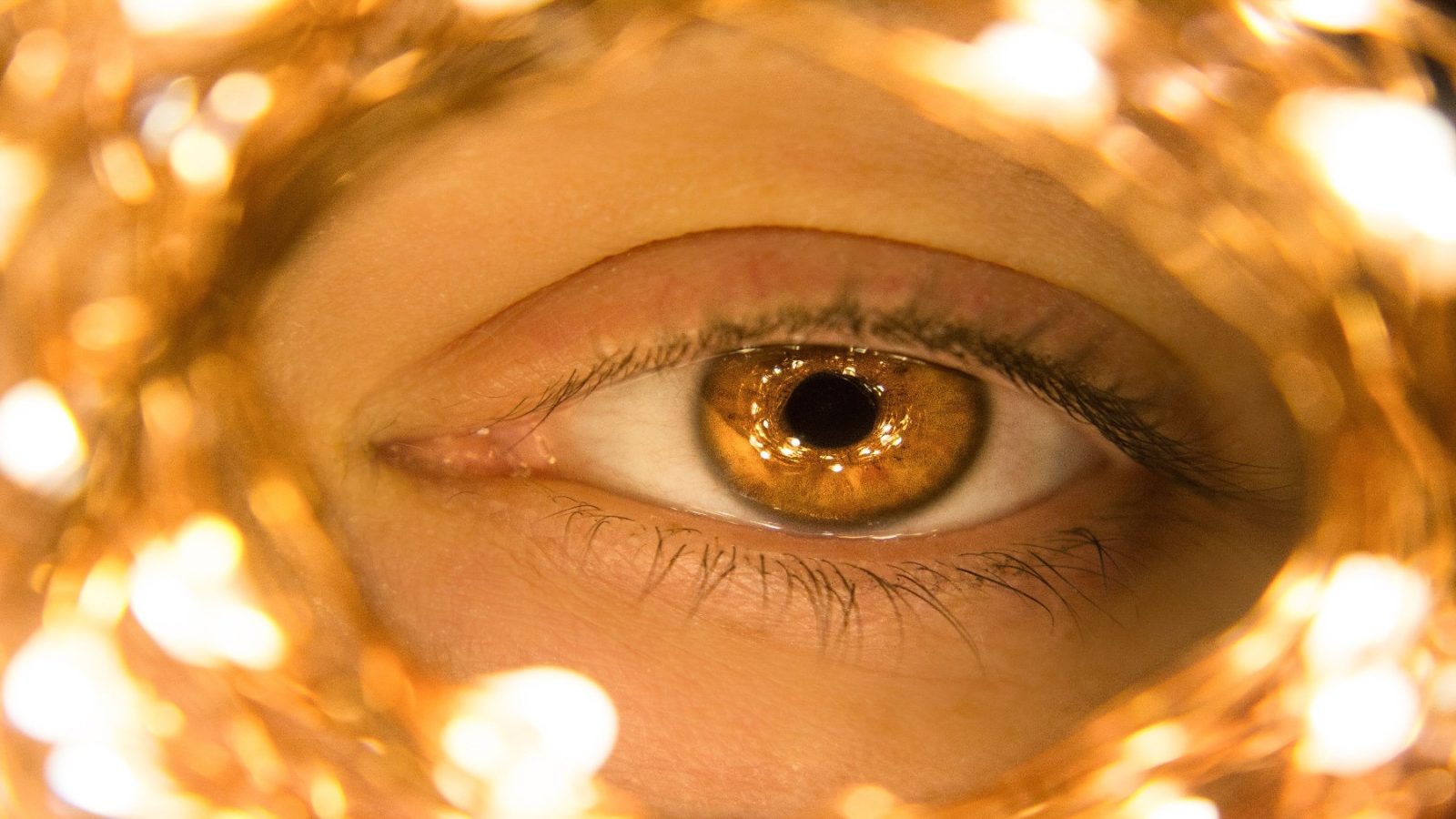

In a groundbreaking discovery, researchers at Brown University have potentially discovered how to bring sight to individuals with various types of blindness—with gold. Gold, actually. Specifically, by injecting gold nanoparticles into the retina directly. This new method holds the potential to transform treatment of degenerative eye diseases such as macular degeneration and retinitis pigmentosa that afflict millions worldwide. What is most encouraging about this approach is that it avoids both invasive surgery and gene engineering, presenting a less dangerous but possibly effective route to recovering the vision.
A Groundbreaking Method to Evade Disrupted Photoreceptors
Traditional treatments for retinal illness typically attempt to repair or replace photoreceptor cells that are damaged—rods and cones which capture light. These are usually complicated, costly, and not always effective. But Nie and his research team at Brown University went about it in a radically different way. Rather than repairing the damaged cells, they were able to bypass them.
By loading gold nanoparticles into the retina, they could stimulate the remaining bipolar and ganglion cells further along the pathway of vision. When the particles were exposed to near-infrared laser light, they would heat just enough to activate these neurons—skipping, in effect, the ruined photoreceptors. This would be tantamount to the brain receiving visual information, despite the front-line photoreceptors being gone.
Promising Results in Mouse Trials
Researchers conducted experiments in lab with mice that had retinal degenerative disease like that in people. They injected the gold particles into their eyes and then shone at their retinas a soft, patterned infrared laser. What did they discover? The retinal neurons in the mice responded to light, and more surprisingly, there was activity in their brains related to vision. Their eyes had acquired a new mode of perception.
They detected no sign of toxicity, inflammation, or cell damage—diseases that typically send new treatments to the graveyard sooner. And since the technique does not involve foreign gene therapy or surgical implantation, it may even turn out to be safer and less expensive for patients in the long term. The gold nanoparticles themselves were stable even after storage for extended periods, which implies that this may be a long-term cure.
A. Peek into the Future: Laser Goggles for Vision
In the future, scientists envision a real-life scenario in which patients put on special goggles that contain cameras and infrared lasers. The goggles would scan the visual surroundings around them and project laser patterns onto the patient’s retina. The gold nanoparticles would soak up the laser energy and get heated up just enough to stimulate the retinal neurons and transmit visual information to the brain.
In comparison with existing retinal implants, implanted surgically and lower-resolution, the treatment might provide more high-definition vision with much lower risk. And since the nanoparticles are dispersed within the retina, the system would be capable of providing patients with a broader field of view than can be achieved with electronic prostheses today.
Hope on the Horizon for Millions
While this technology is still far from leaving the experimental stage and has yet to be tried in mice alone, the promise is extremely promising. It is a huge step forward in the method with which vision has been treated for restoration by scientists. For patients with conditions previously believed to be irreversible, this research is genuine hope.
This study also shows how nanotechnology is beginning to play an increasingly important role in modern medicine. By matching cutting-edge science with everyday materials like gold, scientists are finding novel solutions for some of our largest health problems. If everything goes according to plan with upcoming human trials, we could soon be at the start of a new era of curing blindness—one that is golden in more than one way.