
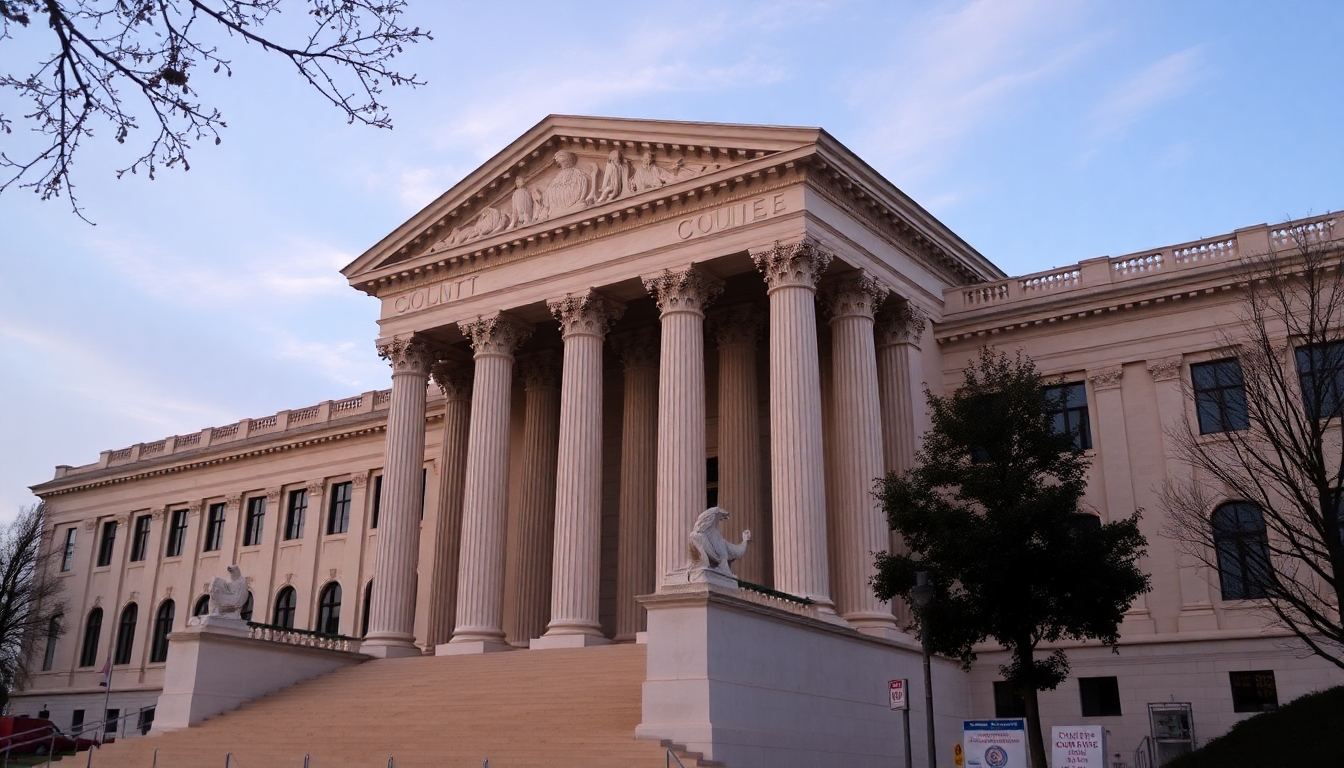

A US federal court has delivered a landmark victory for digital privacy by permanently banning Israeli spyware company NSO Group from targeting Meta’s WhatsApp messaging platform. Judge Phyllis Hamilton ruled that the controversial firm must immediately cease all attempts to infiltrate the globally popular messaging service, marking a significant milestone in the ongoing battle against commercial surveillance technology and protecting the privacy rights of billions of users worldwide.
Historic Court Ruling Protects WhatsApp’s Global User Base
The permanent injunction represents a decisive legal victory for Meta-owned WhatsApp in its six-year legal battle against NSO Group, the notorious creator of Pegasus spyware. Judge Hamilton’s ruling specifically prohibits the Israeli company from reverse-engineering WhatsApp’s code, creating new accounts on the platform, or attempting to access the messaging service’s infrastructure in any capacity that could compromise user security and privacy.
The court found that NSO Group had systematically exploited WhatsApp’s servers to target over 1,400 users with sophisticated spyware attacks between 2018 and 2019. These targeted individuals included journalists, human rights activists, government officials, and civil society leaders across multiple countries, demonstrating the global scope and serious implications of the company’s surveillance operations conducted through the popular messaging platform.
Pegasus Spyware Campaign Targeted Civil Society Leaders
The legal case centered on NSO Group’s deployment of its infamous Pegasus spyware through WhatsApp’s infrastructure, which enabled the covert installation of surveillance software on victims’ mobile devices without their knowledge or consent. The spyware was capable of accessing virtually all data stored on infected phones, including messages, photos, location information, and even activating cameras and microphones for real-time surveillance purposes.
Security researchers and digital rights organizations documented how the attacks specifically targeted vulnerable populations, including journalists investigating corruption, human rights defenders documenting abuses, and political dissidents challenging authoritarian regimes. The systematic nature of these attacks raised serious concerns about the weaponization of commercial spyware against civil society and the chilling effect on freedom of expression and democratic participation globally.
“We applaud this decision that comes after six years of litigation to hold NSO accountable for targeting members of civil society. This ruling bans spyware maker NSO from ever targeting WhatsApp and our global users again.” – Will Cathcart, Head of WhatsApp
Court Reduces Financial Damages Despite Permanent Injunction
While granting the permanent injunction, Judge Hamilton significantly reduced the financial penalties that NSO Group must pay to Meta, cutting the damages from an initial jury award of $167 million down to approximately $4 million. The court determined that while NSO Group’s actions caused “irreparable harm” to Meta and its users, there was insufficient evidence to establish that the company’s behavior was “particularly egregious” under legal standards.
The dramatic reduction in damages reflects the complex legal challenges involved in quantifying harm from sophisticated cyber operations and establishing appropriate punitive measures for commercial spyware companies. Despite the reduced financial penalty, legal experts emphasize that the permanent injunction represents the more significant long-term victory, as it prevents future attacks and establishes important legal precedent for protecting messaging platforms from surveillance exploitation.
Digital Privacy Advocates Celebrate Landmark Victory
Digital rights organizations worldwide have hailed the court ruling as a watershed moment in the fight against commercial surveillance technology and the protection of fundamental privacy rights. The decision establishes important legal precedent that messaging platforms can successfully challenge spyware companies in US courts and obtain meaningful relief to protect their users from sophisticated surveillance attacks.
The ruling comes amid growing international scrutiny of the commercial spyware industry, with governments and civil society organizations increasingly recognizing the threats posed by surveillance technology to democratic institutions, press freedom, and human rights. Several countries have implemented restrictions on spyware exports, while technology companies have strengthened their security measures and legal responses to protect users from surveillance attacks.
Broader Implications for Commercial Spyware Industry Regulation
The WhatsApp victory against NSO Group signals a potential shift in how courts and regulators approach the commercial spyware industry, which has operated with limited oversight despite documented human rights abuses. The permanent injunction demonstrates that technology companies can successfully use existing legal frameworks to protect their platforms and users from surveillance exploitation, potentially encouraging similar legal actions against other spyware vendors.
The ruling also highlights the importance of platform security and the responsibility of technology companies to protect their users from sophisticated state-sponsored and commercial surveillance threats. Digital privacy protection measures implemented by messaging platforms have become increasingly critical as surveillance technology becomes more sophisticated and widely available to both government and private actors seeking to monitor communications.
As NSO Group faces acquisition by US investors and potential restructuring, the permanent injunction ensures that any future operations must comply with court-ordered restrictions on targeting WhatsApp users. The case establishes important precedent for cybersecurity litigation strategies that other technology companies may employ to protect their platforms and users from similar surveillance threats in an increasingly complex digital threat landscape.
The federal court’s permanent ban on NSO Group targeting WhatsApp represents a crucial victory for digital privacy rights and platform security in the ongoing battle against commercial surveillance technology. While the reduced financial damages may disappoint some observers, the injunction’s long-term protective effects for billions of WhatsApp users worldwide demonstrate the power of legal action in defending fundamental privacy rights against sophisticated spyware threats.