
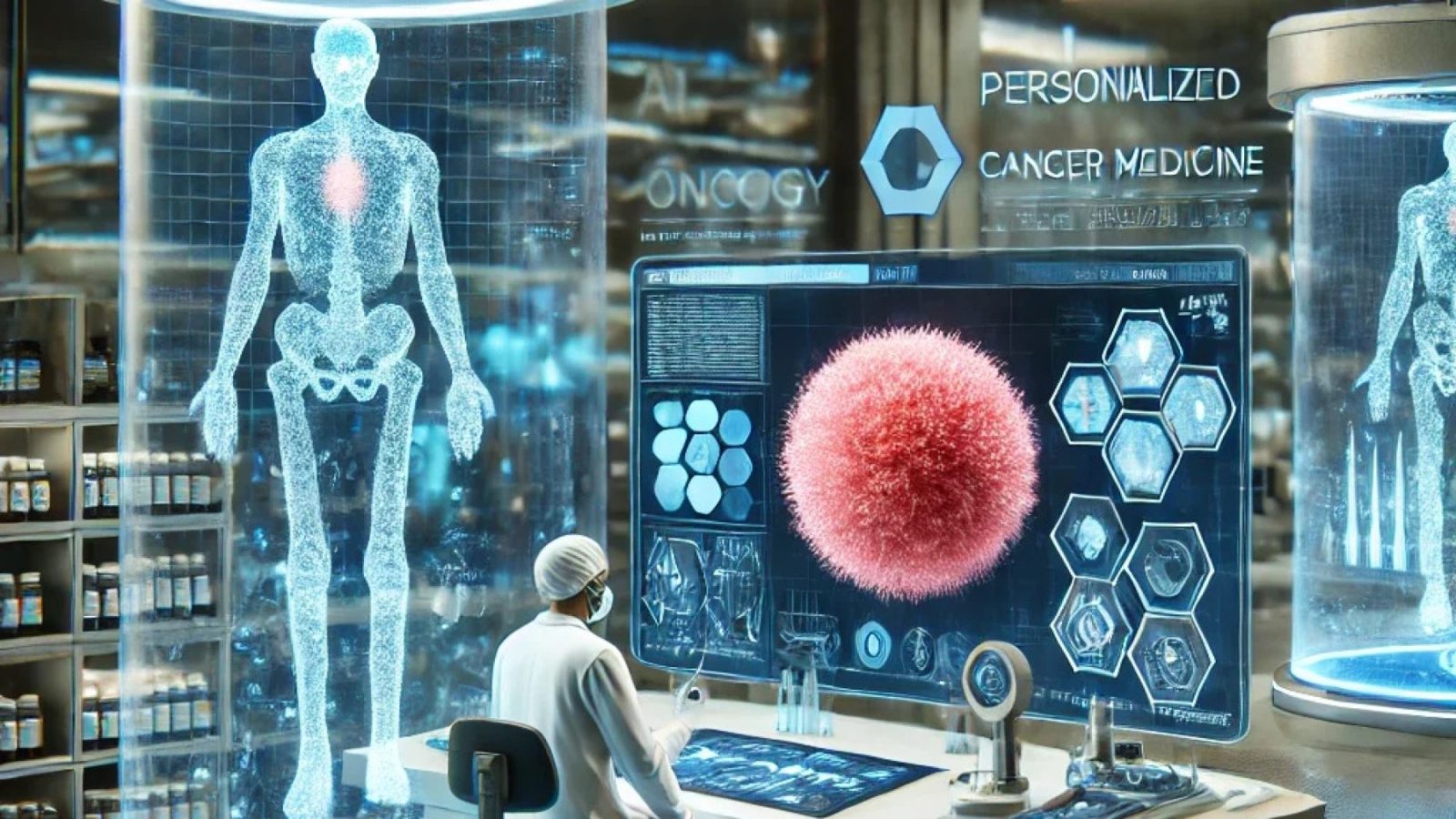

The long-term promise of the patient-specific cancer vaccine is finally at hand. With novel mRNA technology—initially used to great effect in COVID-19 vaccines—researchers are creating treatments that instruct the immune system to attack a patient’s very own cancer fingerprint. Tumor-specific mutations are decoded by customized vaccines and constructed into individualized immune responses. What was, not so long ago, a pipe dream is now rapidly progressing through clinical trials, with prospective regulatory approvals on the horizon as early as 2025.
mRNA Technology Makes Tumor Profiling a Targeted Technology
Personalized cancer vaccines function on the principle of discovering genetic mutations that exist in a person’s tumor. These are referred to as neoantigens and occur only in cancer cells but not in healthy tissue. The researchers sequence the tumor, extract these mutations, and translate them with mRNA into a vaccine to train the immune system to target and kill cancer cells.
This approach has some of the following notable benefits. First, it provides very targeted treatment protocols with reduced side effects compared to the conventional treatments such as chemotherapy. Second, it provides personalized immune responses that respond to a patient’s changing cancer profile. Third, the interchangeable nature of mRNA platforms provides for easily developed and manufactured vaccines and thus a new level of customization is made possible in oncology.
Clinical Trials Show Encouraging Early Results
Two of the most promising efforts are making strong headway. Moderna and Merck are developing mRNA-4157/V940, a tailored vaccine administered in combination with the immunotherapy medication Keytruda. Early-stage clinical trials in melanoma patients have yielded a 44% decrease in relapse or death in comparison to Keytruda monotherapy. Treatment is in Phase 3 trials, with hope for FDA authorization by late 2025.
Meanwhile, Genentech and BioNTech are experimenting with a vaccine called autogene cevumeran in pancreatic cancer patients, one of the deadliest and most hard-to-treat cancers. In initial tests, more than 50% of patients were free of cancer three years after treatment, a remarkable achievement for an industry where long remission is the norm.
These early wins are generating optimism. Both firms are racing to ramp up research, manufacturing, and clinical trials, setting them up for widespread adoption in the near term.
Strategic Investment and Global Research Hubs Are Spurring Progress
The drive for personalized vaccines is receiving robust support from governments as well as the private sector. BioNTech, for example, is investing as much as £1 billion in the United Kingdom on building cutting-edge research centers dedicated to mRNA-based cancer treatment. These range from a new artificial intelligence center in London to a research center in Cambridge. The UK government has committed a further £129 million of funding, highlighting the national significance of such technology.
These facilities not only accelerate clinical trials but also develop reproducible systems for manufacturing, distribution, and patient-specific analysis. By developing strong pipelines up front, companies are gearing these vaccines to be delivered affordably and with efficiency to patients when approved.
A New Model for Cancer Treatment May Arrive by 2025
Experts forecast the first licensed mRNA-based personalized cancer vaccine for late 2025, beginning with melanoma and other solid tumors. It would be a cancer therapy revolution from generalist regimens to precision-based treatments based on the individual’s tumor profile if it works.
But with this advancement comes the issue of access. Individualized vaccines are a product of high-end tumor sequencing, high-end manufacturing, and integration of clinical networks. Bringing all these advances to all patients—not only the affluent health systems—is going to be a key concern in the coming years.
Yet, the bigger picture is good. With strong clinical performance, increasing investment, and mRNA platforms already established in global vaccine distributions, bespoke cancer vaccines are no longer pipe dreams. They are a new oncology revolution—a new one in which treatment is not merely more powerful but also personal in character.