
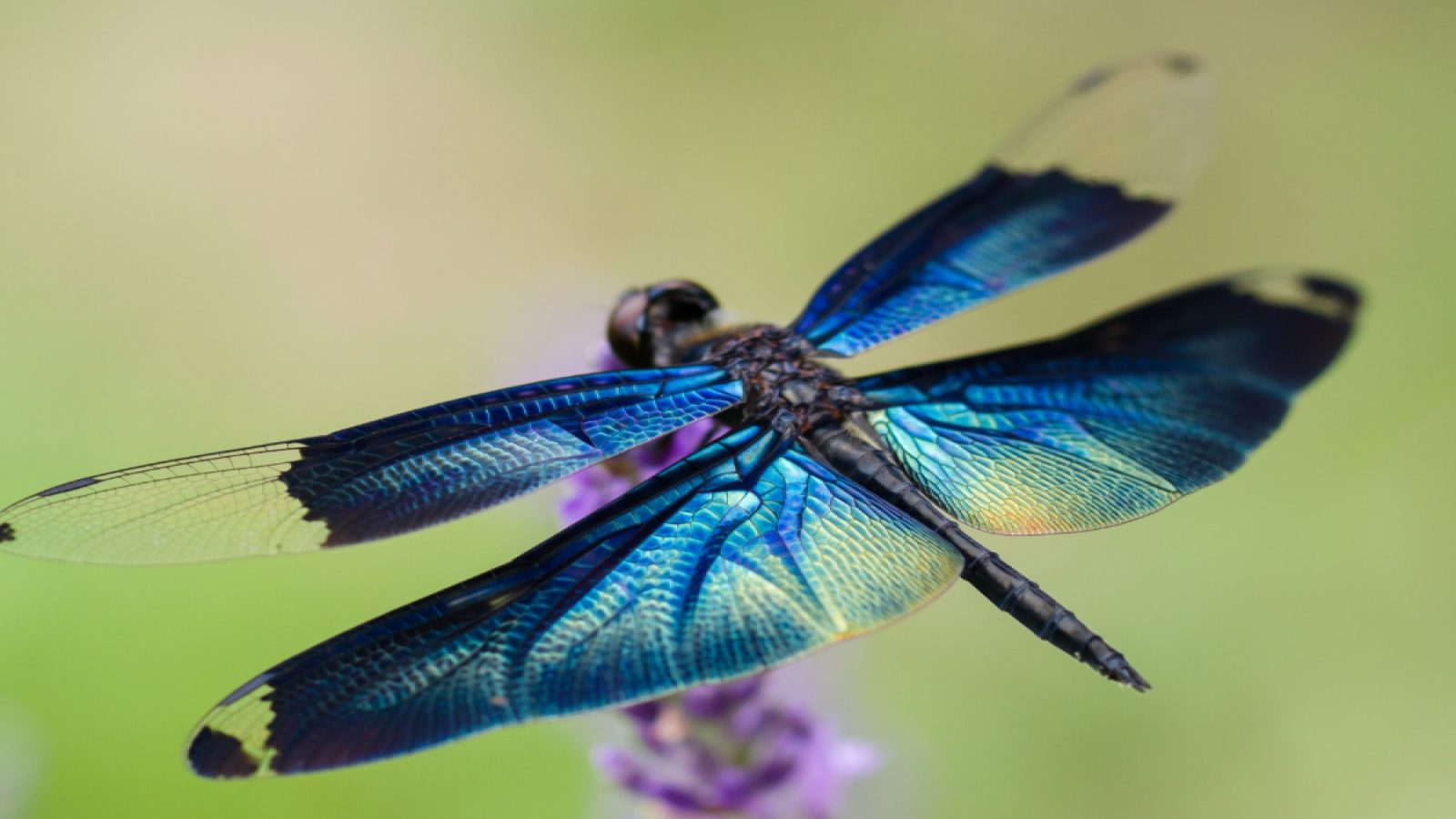

Dragonflies are more than beautiful flyers flitting over ponds and fields. Dragonflies are ancient insects who play an important ecological function that goes unseen: keeping mosquitoes in check. A single dragonfly will eat more than a hundred mosquitoes in a day, and it is one of the most effective natural predators of those disease-carrying bugs. Taking out a single dragonfly from the ecosystem might seem negligible, but it can tip the balance slightly in favor of mosquito survival, influencing the fine balance of nature.
The Predator-Prey Balance That Keeps Ecosystems in Check
For population control and diversity within each successful ecosystem, predator-prey relationships are key. Dragonflies, both in their aquatic nymph stage and their aerial adult stage, are top predators of mosquitoes. Nymphs lurk just below the water’s surface and consume mosquito larvae before they can reach it. As adults, dragonflies pick up where they left off, attacking mid-air and snatching mosquitoes out of the air with great accuracy.
This natural mechanism of pest control isn’t novelty—nor is it a choice. With insufficient predators such as dragonflies, mosquito numbers build up fast, and vector-borne diseases such as malaria, dengue, and Zika become prevalent. In all places where the dragonfly numbers have dwindled from habitat loss or pollution, outbreaks of mosquito-borne diseases are usually observed. Nature’s machine is delicate, and every species performs its role in getting nature’s machine chugging in harmony.
Why Dragonflies Make Such Efficient Mosquito-Suppressing Insects
Dragonflies are evolutionary wonders, adapted for predation. Possessing nearly 360-degree vision via their huge compound eyes, they are able to detect the slightest motion from afar. Their flight capabilities are no less remarkable—each wing beats in a separate direction, offering the means for rapid stoppage, tight turns, and even hovering. These characteristics render them potent predators, particularly specialized for capturing mosquitoes, which are rapid but inefficient fliers.
In larval form that may last months or even years depending on their kind, dragonflies are equally lethal. They reside in water and feed with a special extendable mouth which sticks out to capture food in the blink of an eye. As the same aquatic habitats are inhabited by mosquito larvae, the dragonfly juveniles maintain their populations in check before the adults ever fly. This two-pronged attack—first underwater and then airborne—is one of the reasons why dragonflies are excellent mosquito population controllers.
How to Attract and Support Dragonflies in Your Area
If you prefer to get rid of mosquitoes in your neighborhood or yard naturally, creating a haven for dragonflies is a wise and environmentally friendly choice. Above all other things, they require water. A pond, rain garden, or even a shallow birdbath with a few aquatic plants can be a nursery for dragonfly nymphs. Never stock these water features with fish since they prey on dragonfly larvae.
Planting native vegetation near the water source is also beneficial, offering perches and hunting sites for adult dragonflies. Tall grasses, weeds, and shrubs are the best vantage points to hunt for prey. Not less important is minimizing or stopping the use of pesticides. Most chemical pest products kill helpful insects such as dragonflies but permit mosquitoes to survive primarily because of the high rate of reproduction. By encouraging dragonflies to inhabit your local area, you’re not only helping to control mosquitoes naturally—you’re also supporting biodiversity and contributing to a healthier, more resilient ecosystem.
Every Dragonfly Counts: The Bigger Picture
The presence of dragonflies is not only a blessing where mosquitoes must be kept under control; it’s an indicator of a healthy environment. Since dragonflies are also sensitive to pollution and habitat destruction, their presence will generally be a good measure of clean water and a healthy environment. Their absence, however, can be an initial indicator of even more advanced environmental deterioration.
Their collapse or extinction will not be front-page news, but it has implications that reach far beyond their diminutive size. Fewer dragonflies equal more mosquitoes, more disease transmission, and more dependence on chemical control that further pollutes the environment. All in all, dragonflies are tiny sentinels of ecological balance, doing something that is good for humans and animals alike.