
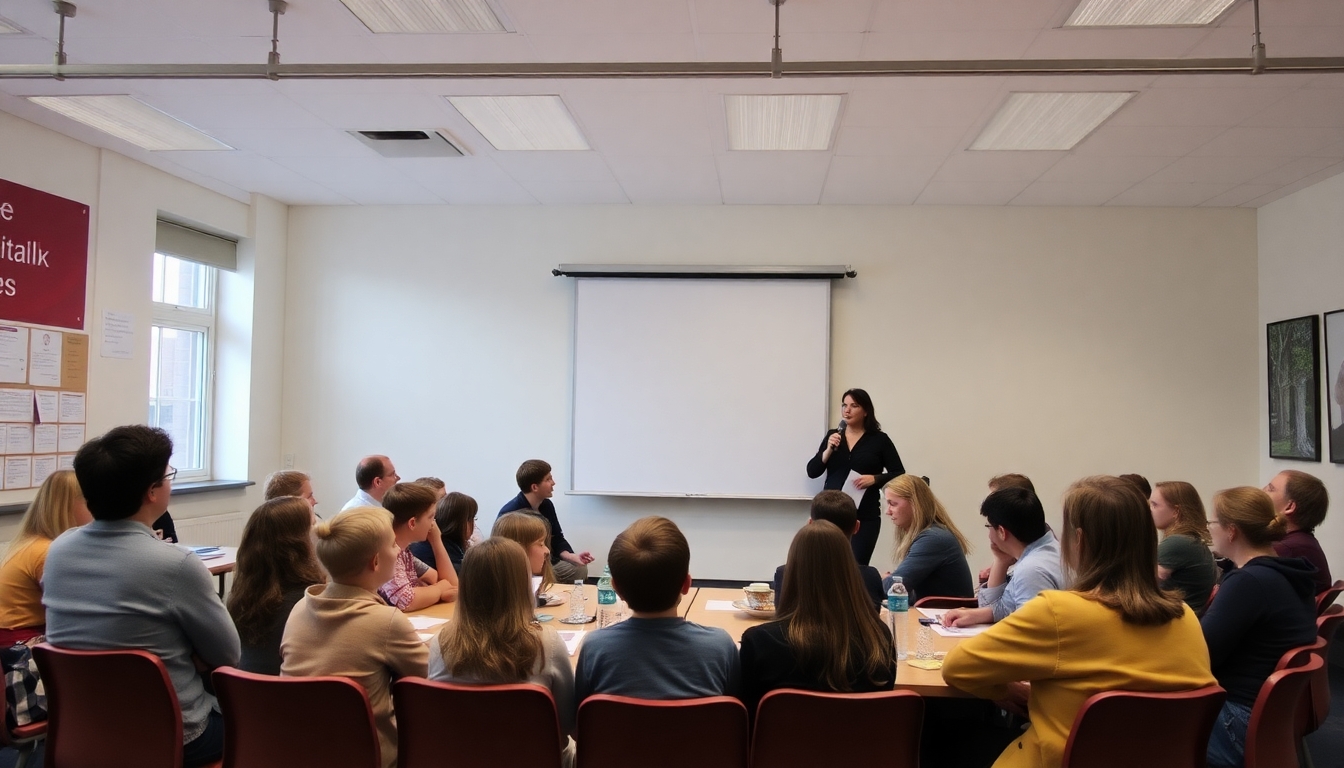

Denmark has quietly revolutionized childhood education through a simple yet profound weekly tradition called “klassens tid” or “class time.” Every child aged 6 to 16 participates in this mandatory hour-long session that prioritizes emotional intelligence over academic achievement. This innovative approach has contributed significantly to Denmark’s consistent ranking among the world’s happiest nations, demonstrating how educational systems can nurture compassionate societies through structured empathy training and collaborative problem-solving.
Empathy education becomes the cornerstone of the Danish curriculum
Since 1993, klassens tid has been a fundamental component of Denmark’s national curriculum, treated with equal importance to mathematics or English. Students discuss problems openly with teachers and classmates, creating safe spaces for addressing conflicts before they escalate. The sessions focus on real listening, understanding different perspectives, and finding collaborative solutions to both school-related and personal challenges.
During these weekly gatherings, children learn essential life skills including conflict resolution, perspective-taking, and inclusive communication. Teachers facilitate discussions that help students recognize emotions, practice empathy, and develop emotional resilience. When no pressing issues require attention, students simply enjoy “hygge”—a uniquely Danish concept of intentional intimacy and shared warmth that strengthens community bonds.
Collaborative learning replaces competitive achievement models
Danish schools emphasize teamwork over individual excellence, with approximately 60% of academic tasks completed collaboratively. Students with different strengths work together on projects, learning that success requires mutual support rather than outperforming peers. This approach teaches children from an early age that helping others leads to better collective outcomes.
Animal welfare education extends compassion beyond humans
Denmark’s empathy curriculum extends beyond interpersonal relationships to include comprehensive animal welfare education. Official learning materials teach children to understand and respect all living beings, fostering compassion that encompasses the entire natural world. This holistic approach to empathy development creates more environmentally conscious and ethically aware citizens.
The integration of animal welfare into empathy education reflects Denmark’s broader commitment to comprehensive moral development. Students learn that kindness applies universally, developing respect for creatures that cannot advocate for themselves. This educational philosophy creates adults who consider the welfare of all living beings in their decision-making processes, similar to how Japan’s ancient baby sumo festival demonstrates cultural traditions that prioritize child welfare and community bonding.
Research validates empathy education’s long-term benefits
Educational psychologist Michele Borba notes that empathetic children demonstrate higher emotional resilience, stronger relationships, and improved academic performance. University of Michigan research reveals that modern college students possess 40% less empathy than previous generations, highlighting the critical importance of structured empathy education during formative years.
“Together, the class tries to respect all aspects and angles and together find a solution,” explains Iben Sandahl, co-author of “The Danish Way of Parenting,” describing how klassens tid creates inclusive learning environments where every voice matters.
Global implications for educational reform and social development
Denmark’s success with empathy education offers valuable lessons for educational systems worldwide struggling with bullying, mental health issues, and social fragmentation. The model demonstrates how schools can actively shape more compassionate societies by dedicating time to emotional and social development alongside academic achievement. This approach addresses growing concerns about declining empathy levels among young people globally.
The klassens tid model challenges traditional educational priorities that emphasize academic achievement over emotional development. As mental health concerns among children continue rising globally, Denmark’s approach provides evidence that investing in empathy education creates happier, more resilient individuals. The success of this program demonstrates that when schools make time for care and emotional learning, they contribute to building more compassionate societies, much like how the human thermostat regulates our body’s complex systems through careful monitoring and adjustment.