
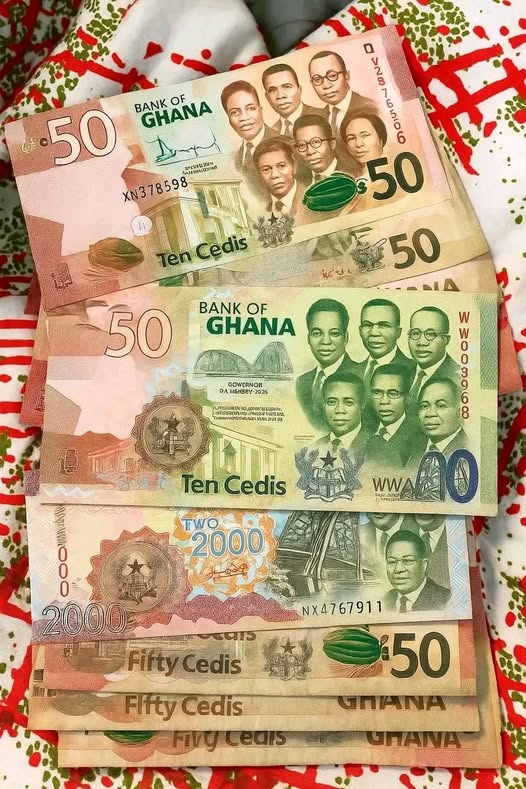

The Ghanaian Cedi has emerged as Africa’s standout currency success story in 2025, with the World Bank’s October Africa Pulse Report confirming its position as the continent’s best-performing currency during the first eight months of the year. This remarkable achievement represents a dramatic turnaround from 2024, when the Cedi had depreciated by approximately 19% against the US dollar.
Ghana’s Economic Transformation Drives Currency Success Story
The Cedi’s remarkable performance reflects Ghana’s broader economic transformation and strategic policy implementations. The World Bank’s Africa Pulse Report highlights how the currency’s strength has been supported by tight fiscal and monetary policies, rising export revenues, and significantly improved market sentiment following years of economic challenges.
Ghana’s economic recovery has been particularly impressive given the country’s recent struggles with debt restructuring and inflation management. The government’s commitment to fiscal consolidation, combined with the successful completion of a comprehensive debt restructuring program, has restored international confidence in the Ghanaian economy. This renewed confidence has translated directly into currency strength, with the Cedi appreciating from over 15 GHS/USD in April to approximately 10.2 GHS/USD by the end of May 2025.
Gold and Cocoa Exports Fuel Currency Appreciation
Ghana’s position as Africa’s leading gold producer has been instrumental in the Cedi’s exceptional performance. The country retained its status ahead of South Africa, with gold output reaching approximately 130 metric tons in 2024 compared to 100 tons in 2023. Gold continues to account for around 55.3% of Ghana’s total exports, providing crucial foreign exchange earnings that have strengthened the currency.
The cocoa sector has also contributed significantly to the Cedi’s success, despite facing production challenges. Ghana increased the producer price of cocoa by 129.36% in 2024, offering relief to farmers and potentially curbing smuggling activities. This price increase, combined with favorable global cocoa prices, has boosted export revenues and supported the currency’s appreciation.
“The recent steep appreciation was driven by several factors: higher global prices for gold and cocoa brought in much-needed foreign exchange; the ‘Gold for Reserves’ program enabled Ghana to increase its reserves by purchasing local gold without taking on new debt.” – SECO Economic Report 2025
World Bank Recognition Validates Ghana’s Economic Policies
The World Bank’s recognition of the Cedi as Africa’s best-performing currency validates Ghana’s economic policy framework and reform initiatives. The October 2025 Africa Pulse Report specifically noted that the currency’s strength was supported by improved market sentiment and rising export revenues, marking a significant departure from the previous year’s performance.
This achievement is particularly noteworthy when compared to other African currencies. The Zambian kwacha secured second place with a year-to-date appreciation of 16%, while currencies like the South Sudanese pound and Ethiopian birr were identified as the continent’s weakest performers. Ghana’s currency outperformed regional peers by maintaining consistent strength throughout the eight months analyzed by the World Bank.
Fiscal Consolidation and Debt Restructuring Success
Ghana’s successful debt restructuring program has been a cornerstone of the Cedi’s remarkable performance. The country has nearly completed its comprehensive debt restructuring, with the remaining external commercial debt of USD 2.4 billion representing less than 5% of the pre-restructuring total public debt. The gross public debt-to-GDP ratio declined from 79.1% in 2023 to 70.2% in 2024.
Fitch Ratings upgraded Ghana’s credit rating from Restricted Default to ‘B-‘ with a Stable Outlook, reflecting growing international confidence in the country’s economic recovery efforts. This upgrade has contributed to improved investor sentiment and supported the currency’s strength in international markets.
Future Outlook and Sustained Economic Growth Prospects
Ghana’s economic outlook remains positive, with the external sector strengthening significantly in 2024. The country recorded a current account surplus of 1.1% of GDP by year-end, driven by increased exports of gold and crude oil, along with robust remittance inflows. Gross international reserves rose to USD 6.4 billion, equivalent to 2.6 months of imports, up from USD 3.7 billion in 2023.
The banking sector shows a gradual recovery, with total assets growing 34.2% year-on-year by February 2025. Private sector credit demonstrated signs of recovery, growing 26.9% annually compared to just 5.1% the previous year. These improvements in the financial sector support the broader economic recovery and currency stability that have made the Cedi Africa’s standout performer.
Ghana’s Cedi has definitively established itself as Africa’s premier currency success story in 2025, earning recognition from the World Bank as the continent’s best-performing currency. This achievement reflects the culmination of strategic economic policies, successful debt restructuring, and robust export performance in the gold and cocoa sectors. The currency’s remarkable 42% appreciation against the US dollar demonstrates Ghana’s economic resilience and the effectiveness of its fiscal and monetary policy framework.