
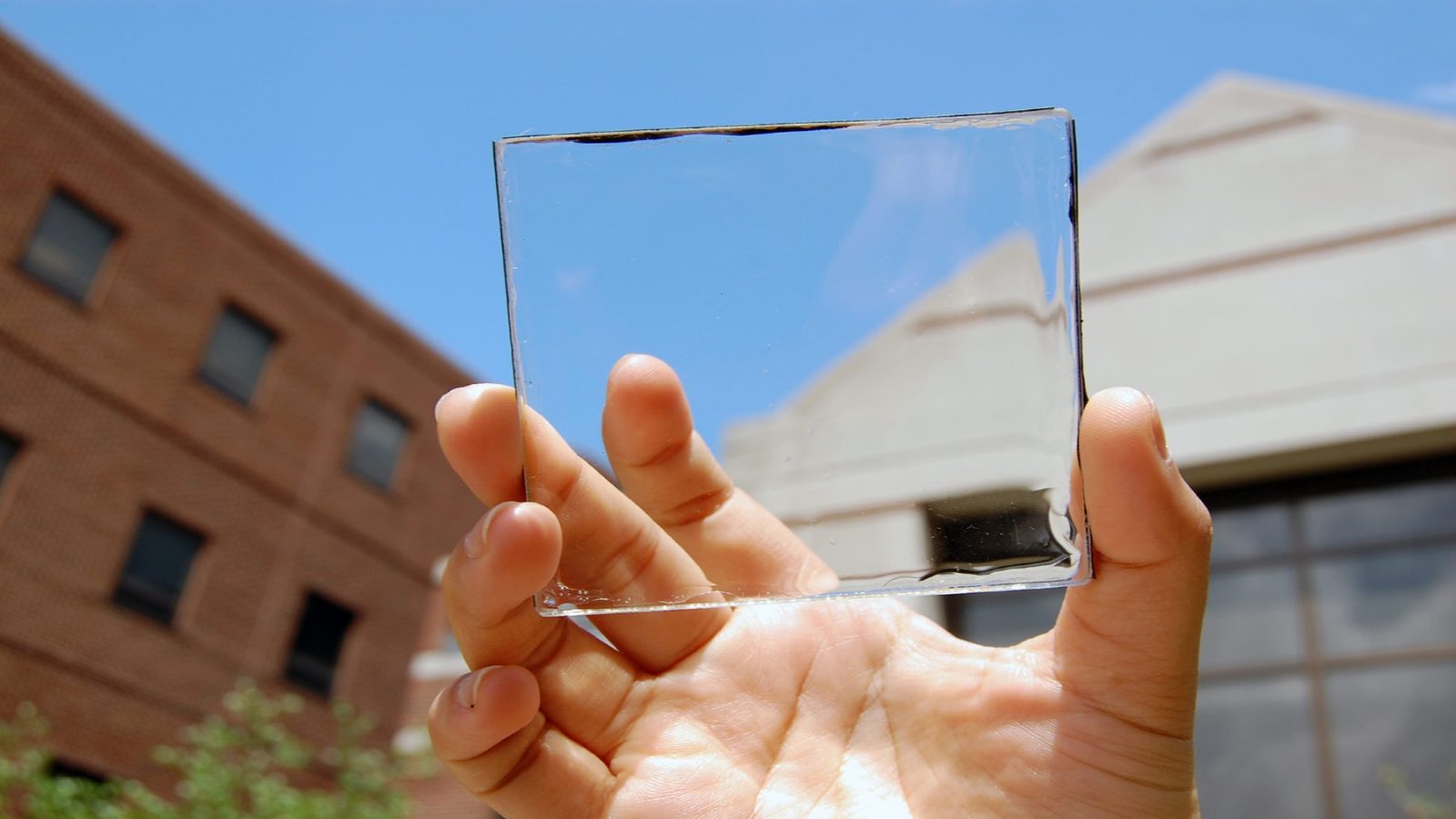

In the race to cleaner, greener energy, a revolutionary innovation is unfolding in South Korea-transparent solar panels that turn ordinary windows into subtle power generators. The new solar cells transmit light and collect sufficient solar energy to drive gadgets and buildings without compromising on looks. While cities become more vertical and glass-encased, the potential for tapping renewable energy from windowpanes can reimagine the city’s future, its infrastructure, and what is even possible when it comes to sustainability. Such an alliance of visibility and efficiency is a watershed moment for green technology.
A New Dawn for Solar Innovation
Envision a world in which all the windows of a skyscraper, vehicle, or smartphone quietly produce clean energy quietly without color modification. South Korean researchers have come very close to this possibility by creating totally transparent solar panels that seamlessly integrate into glass surfaces without being able to capture solar energy. Not only does this break the aesthetics barrier of conventional solar panels, but it also brings us new ways of using renewable energy in everyday life.
Leading the charge in this innovation is the Ulsan National Institute of Science and Technology (UNIST) and scientists have developed an all-back-contact (ABC) transparent solar cell. They have placed all the electrical contacts on the back, where they have been able to produce a glass-like crystalline silicon cell with no visible wiring. This is see-through and provides a power conversion efficiency of 14.7%, enough to power gadgets such as smartphones using sunlight.
Smooth Integration into Contemporary Architecture
The uses of transparent solar technology are endless, especially in cities where space is limited. Unlike the old solar panels that need individual installs, the transparent cells can be integrated directly into glasswork, facades, and windows without altering the visual appeal.
One good example is the EnergyX DY-Building in Goyang-si city, South Korea. The seven-story commercial building incorporates Building-Integrated Photovoltaics (BIPV) throughout its facade, such as transparent modules in vision areas. The building has a 121.7% energy self-sufficiency rate and produces more than it uses and is proof of the viability of incorporating solar technology into building design.
Efficiency and Transparency Advances
Early versions of transparent solar panels were ineffective in achieving balance between transparency and energy efficiency. Recent developments have, however, significantly enhanced the levels of performance. Scientists have come up with semi-transparent perovskite solar cells, which recorded an all-time high efficiency rate of 21.68%, a huge leap toward practical use.
These technologies are not limited to large buildings. The versatility of the technology means it can be applied across a wide variety of devices and structures, including car windows and electronic displays, and convert them into power-generating without altering their appearance.
Transforming Cityscapes and Energy Consumption
The use of transparent solar panels has the potential to transform city energy use. Existing glass surfaces can be re-designed as energy-harvesting parts to reduce the dependency on external power supplies and curtail carbon footprint. The innovation fits into the global move towards creating sustainable, efficient cities.
Furthermore, the installation of solar windows in residential buildings will advantage owners with the double advantage of daylight and energy harvesting. Although in the initial phases of commercial growth, solar windows have the potential to be a sought-after amenity in green-based housing markets, building an eventual value increase and lower utility bills.
Looking Ahead
Transparent solar panels are an achievement towards the realization of alternative power. As they get better in efficiency and cost, invisible power sources will become a part of the fabric of daily life. With the incorporation of renewable energy production into the backdrop of everyday life, transparent solar technology presents a straightforward avenue towards a cleaner, more sustainable future.