
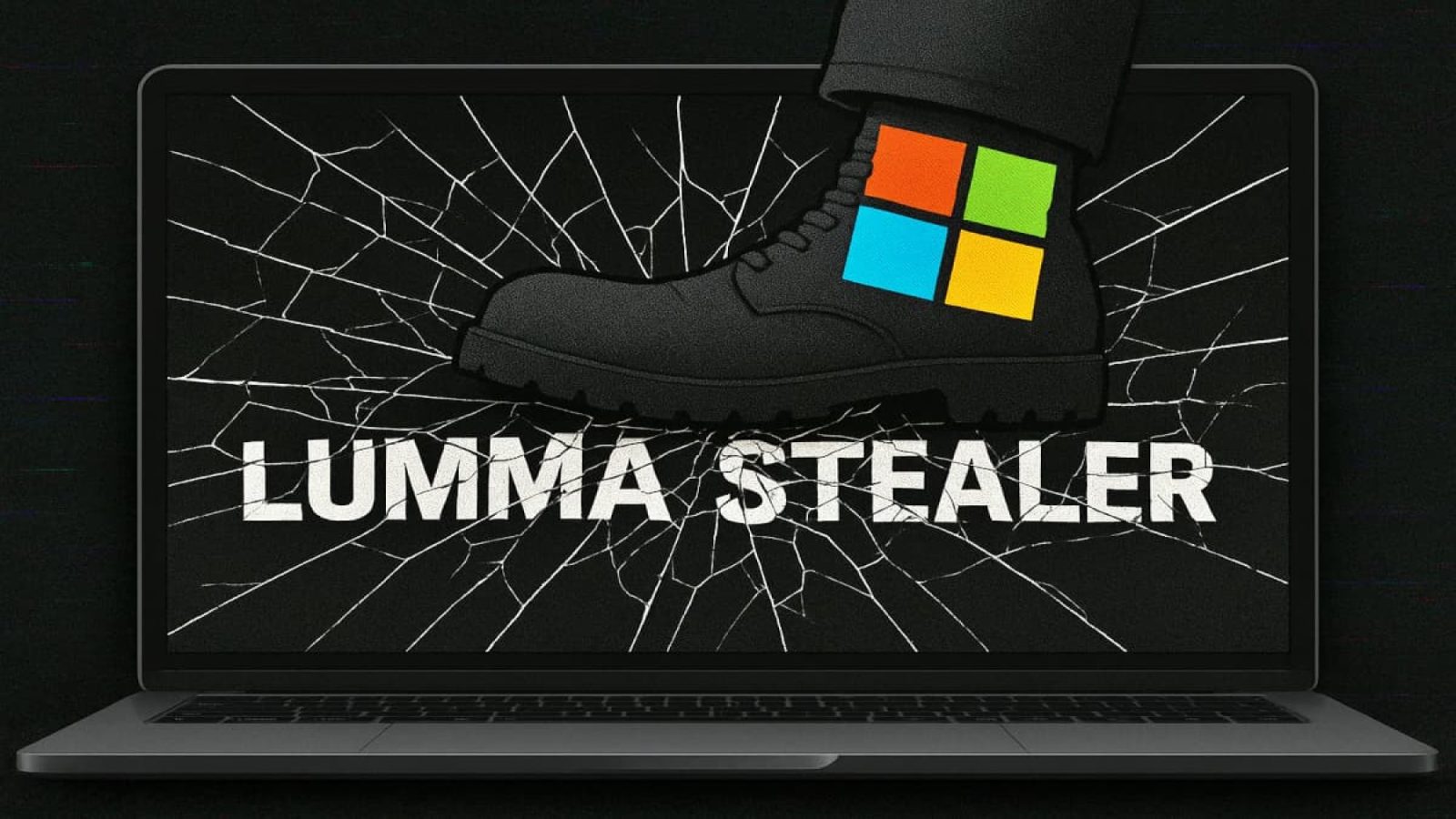

In a victory for cybersecurity, Microsoft and global law enforcement agencies effectively halted the operation of the Lumma Stealer malware. The malicious malware campaign infected over 394,000 Windows devices globally, with the primary targets being Brazil, various European countries, and the United States. The joint effort spanning multiple months is an indication of the growing effectiveness of coordinated cybercrime enforcement in an era where threats are increasingly sophisticated.
An Onerous Malware Enterprise Designed for Data Theft and Profit
Lumma Stealer, or LummaC2, was a malware-as-a-service (MaaS)—a product in which the developers sold malicious code to other attackers. The malware had been designed to steal data like browser-stored passwords, bank account numbers, cookies, authentication tokens, and even cryptocurrency wallet keys. The stolen data could be used by cyber attackers for financial fraud, identity theft, and blackmail.
It was developed by a Russian programmer who used the alias “Shamel,” Lumma sold different subscription plans in dark boards. Between $250 and $1,000 monthly, users were provided malware tools and support. Even source code access for the entire code and resale rights on the malware were part of the highest-level subscription plan of $20,000. These packages rendered Lumma a very desirable choice for cybercrooks, some of whom belonged to well-known hacking groups such as Scattered Spider, or Octo Tempest.
The malware was propagated using phishing messages, annoying advertisements, hacked sites, and hijacking reliable cloud services. These methods enabled Lumma to infiltrate silently into computers across the world without being noticed until it had amassed and sent humongous amounts of personal information.
How Authorities and Microsoft Dismantled the Network
Possessing insight into the magnitude of the threat, Microsoft Digital Crimes Unit (DCU) led a global operation with law enforcement authorities in the United States, Europe, and Japan and assisted by leading cybersecurity companies including ESET, Cloudflare, Lumen, CleanDNS, and BitSight. The operation was made possible through the issuance of a court order by the Northern District of Georgia in the United States that granted Microsoft and its allies to start dismantling Lumma’s cyber infrastructure.
More than 2,300 domains previously hosted malware, sent commands to infected machines, and brokered transactions between developers and criminals were seized or taken offline. The domains generally masqueraded as legitimate services in an attempt to be less detectable. Microsoft redirected traffic to secure “sinkhole” servers after they were obtained. The move also prevented the infected machines and Lumma command-and-control servers from being able to communicate with each other, thus ceasing further data exfiltration and destruction.
The Fallout and What It Means to the Cybercrime Scene
This takedown is a broadside against the web-facilitated underground economy of stolen information. Not only do it bring immediate operations to a stop, but they also convey a message: cybercrooks can no longer utilize the web to exist in a realm of anonymity. Disabling Lumma’s infrastructure provides an additional level of complication for its creators to update or rebrand the malware under a new guise—an all-too-familiar trend in cybercrime communities.
But security experts warn that the war is not yet over. The developers and perpetrators of Lumma Stealer will try to duplicate themselves on other platforms or create new malware versions. But success for this endeavor has left law enforcement with a valuable lead that can be used for future investigation and arrest.
Staying Safe in a Post-Lumma World
To regular users and companies, Lumma’s collapse is comforting—but also a reminder of how brutal and agile contemporary cyberattacks are. The best defense is still caution, awareness, and current cybersecurity software. Users have to:
- Steer clear of dodgy links and unfamiliar attachments.
- Implement multi-factor authentication on all accounts.
- Update operating systems and antivirus programs.
- Utilize password managers to create and save secure, new credentials.
Companies can also want to conduct employee cybersecurity training, install endpoint detection systems, and regularly scan their networks for suspicious activity.
The dismantling of the network of Lumma Stealer malware is a major win in the war on cybercrime. It shows the power of international cooperation and the increasing capability of defenders to push back. But the battle arena is constantly changing, and ongoing cooperation and vigilance will be needed to remain ahead of the next attack.