
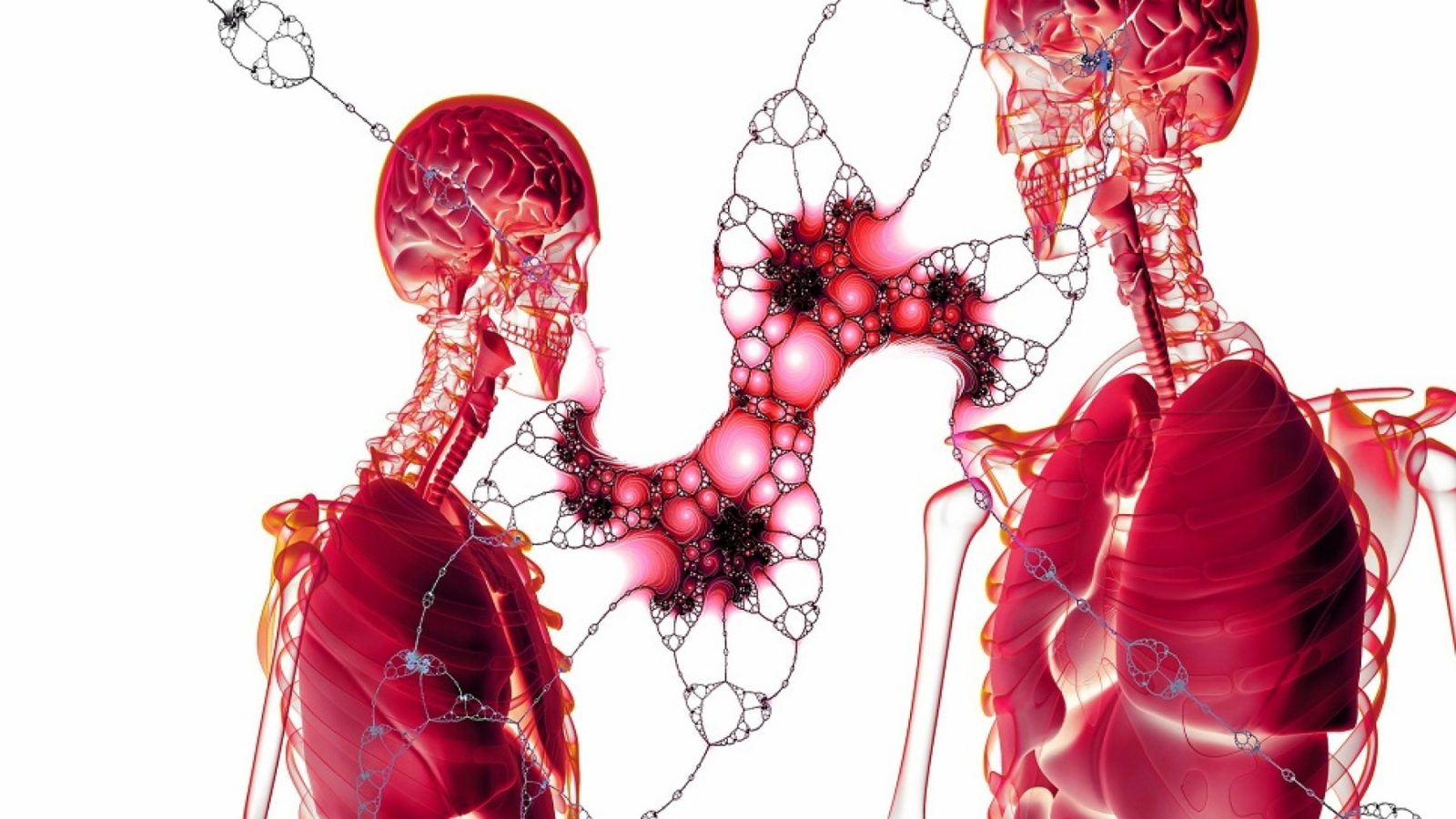

For centuries, human lungs were thought to be mere breathing horses—organs with no other function but to oxygenate our blood and remove carbon dioxide. But in a recent discovery by researchers from the University of California, San Francisco (UCSF), that theory was dispelled. It turns out our lungs do a lot more than just breathe. And, as it turns out, they are likely one of the body’s main locations for the production of blood cells, specifically platelets. This discovery not only changes a fundamental premise of human biology, but also promises to open vast new avenues for the treatment of blood disease.
The Lungs As Surprising Platelet Factories
Scientists at UCSF found that the lungs manufacture more than 10 million platelets every hour, a function previously ascribed nearly exclusively to the bone marrow. Platelets are essential elements of blood, and they induce blood to clot and heal wounds. So far, medical school books merely reported that megakaryocytes, the giant cells that produce platelets, exist and only function in bone marrow. However, researchers using live imaging of mice saw the exact same cells after transplantation within the vasculature of the lung actively secreting platelets into the blood.
This was not an instance of bone marrow cells merely passing through. Megakaryocytes in the lungs were outputting an enormous amount of platelets, indicating that the lung environment is calibrated to this purpose. Lung vasculature is narrow and snug, ideal for stripping platelets off their parent megakaryocytes. This finding indicates a dynamic interaction between lung and bone marrow systems larger than ever conceivably imagined.
Hidden Stem Cells of the Lung Microenvironment
Still more surprising was the finding of hematopoietic stem cells—archaic cells that could give rise to any form of blood cell—deep within lung tissue. In subsequent experiments, when scientists transplanted donor lungs into host mice with compromised bone marrow, they saw donor lungs repopulate the host’s circulatory system. This was final proof that stem cells within the lungs are not merely found there but are functionally active in reconstituting blood cell formation.
The lungs seem to be a reservoir and an emergency reserve for the stem cells, filling in when the bone marrow comes under attack. This finding challenges the classic theory that hematopoietic stem cells exist solely in the marrow of large bones. Rather, the lungs could be an alternative depot of essential blood-producing cells held in reserve, ready to spring into action when called upon by the body. These results leave open the potential for the belief that the other organs also possess undeservingly overlooked functions in body functions.
Revolutionary Possibilities for Blood Disorder Treatments
Concepts of the lung’s secretory role in platelet production provide a therapeutic pathway for treating diseases such as thrombocytopenia, in which platelet counts become perilously low. If lungs can be made to produce or be used to produce more platelets, treatments that do not depend on stimulating the bone marrow or transfusions may be devised. In patients with impaired or non-functional bone marrow from chemotherapy, radiation, or genetic illness, this finding might ultimately translate into treatments based on the lung’s secretory ability.
Stem cell transplantation may also be revolutionized. Stem cells are currently derived from bone marrow or blood circulation. However, if lung tissue contains a healthy and accessible reservoir of hematopoietic stem cells, clinical practice can be modified to harvest stem cells from the lungs. This may bring diversity and possibly simplify regenerative therapy choices and enhance the outlook for immune-deficient or blood cancer patients.
A New Paradigm for Lung Function
This paradigm-busting finding overturns everything scientists and doctors believe about lungs. Previously addressed solely in terms of breathing, these organs are now considered central players in the manufacture of blood, and that changes what we study, know, and treat in human physiology. The ramifications reach far beyond the lab. As we probe further, we might find that lungs affect more systemically controlled processes than we do today.
Dr. Mark Looney, the senior author of the research, summed it up best when he joked: “The lungs are not just for breathing—they’re also an important participant in blood production.” It is a reminder that even the most common organs can be the biggest surprise, and science always must be prepared to turn around and challenge old assumptions. And as we continue to wonder at the mysteries of the human body, it’s these kinds of breakthroughs that remind us just how much there’s still to learn.